Organic Farming Practices at Zinc House Farm
Organic farming defines how we work at Zinc House Farm. On ten acres of gardens and orchards, we rely on natural systems to build soil health, conserve water, and support biodiversity. Crop rotations, native plantings, and careful stewardship keep the farm resilient and productive without synthetic inputs.
Soil Health
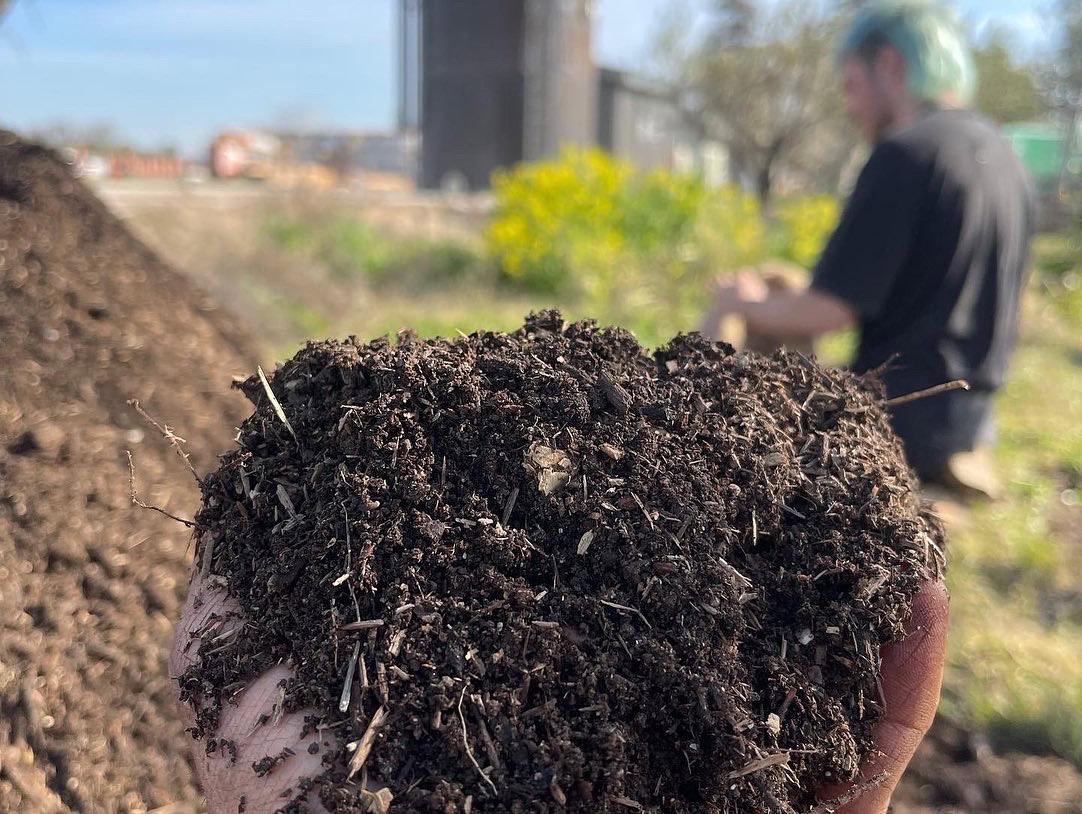
Healthy soil is the starting point for every harvest. We maintain fertility through composting, cover crops, and careful rotation. Seven row-crop beds are rotated on a six-year cycle, ensuring that no single crop, such as tomatoes or peppers, depletes the soil. Each year, one bed is left fallow to recover, while others are planted with a mix of vegetables and herbs. This approach balances nutrients, limits disease, and reduces the need for intervention.
Biodiversity
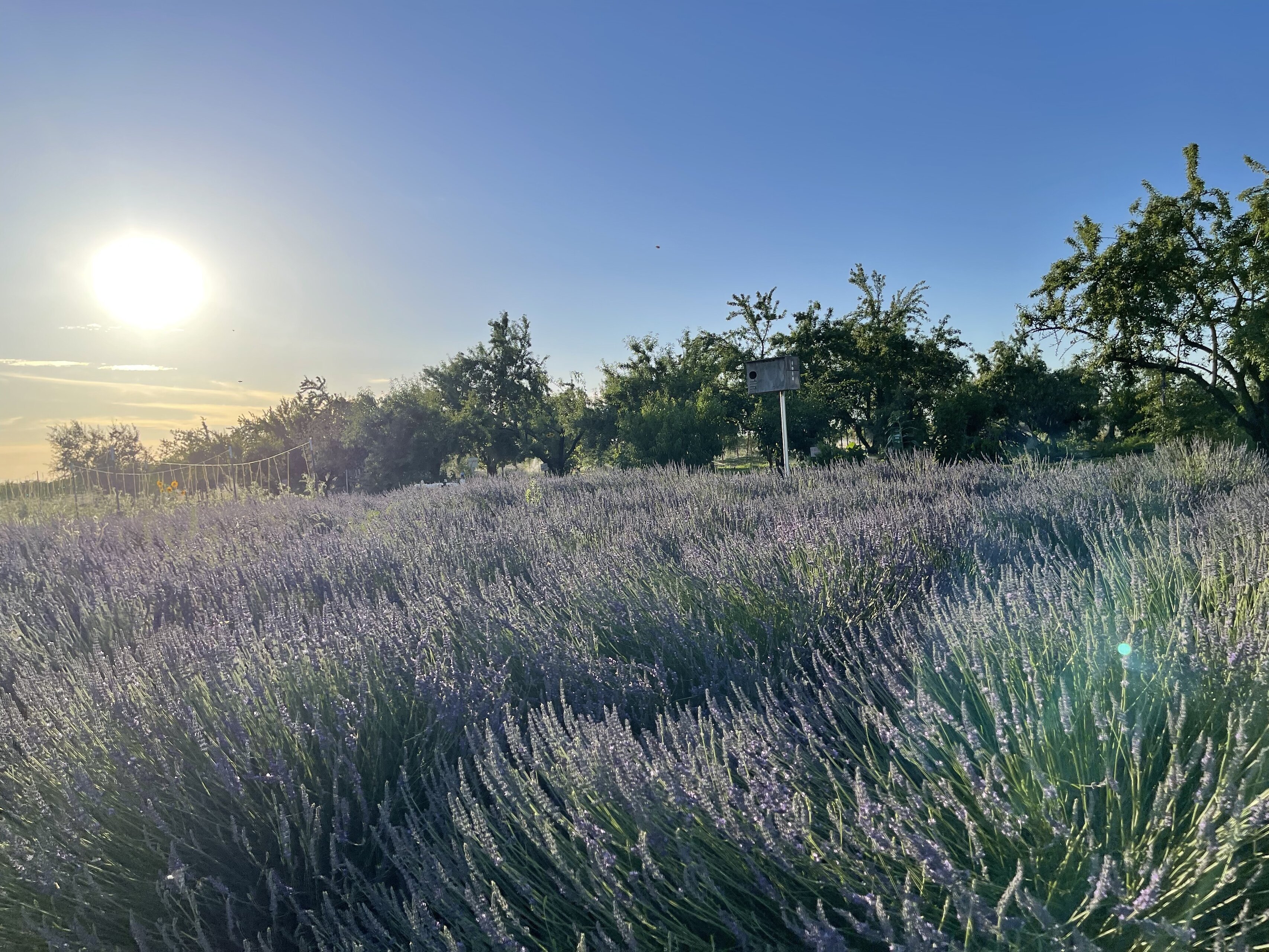
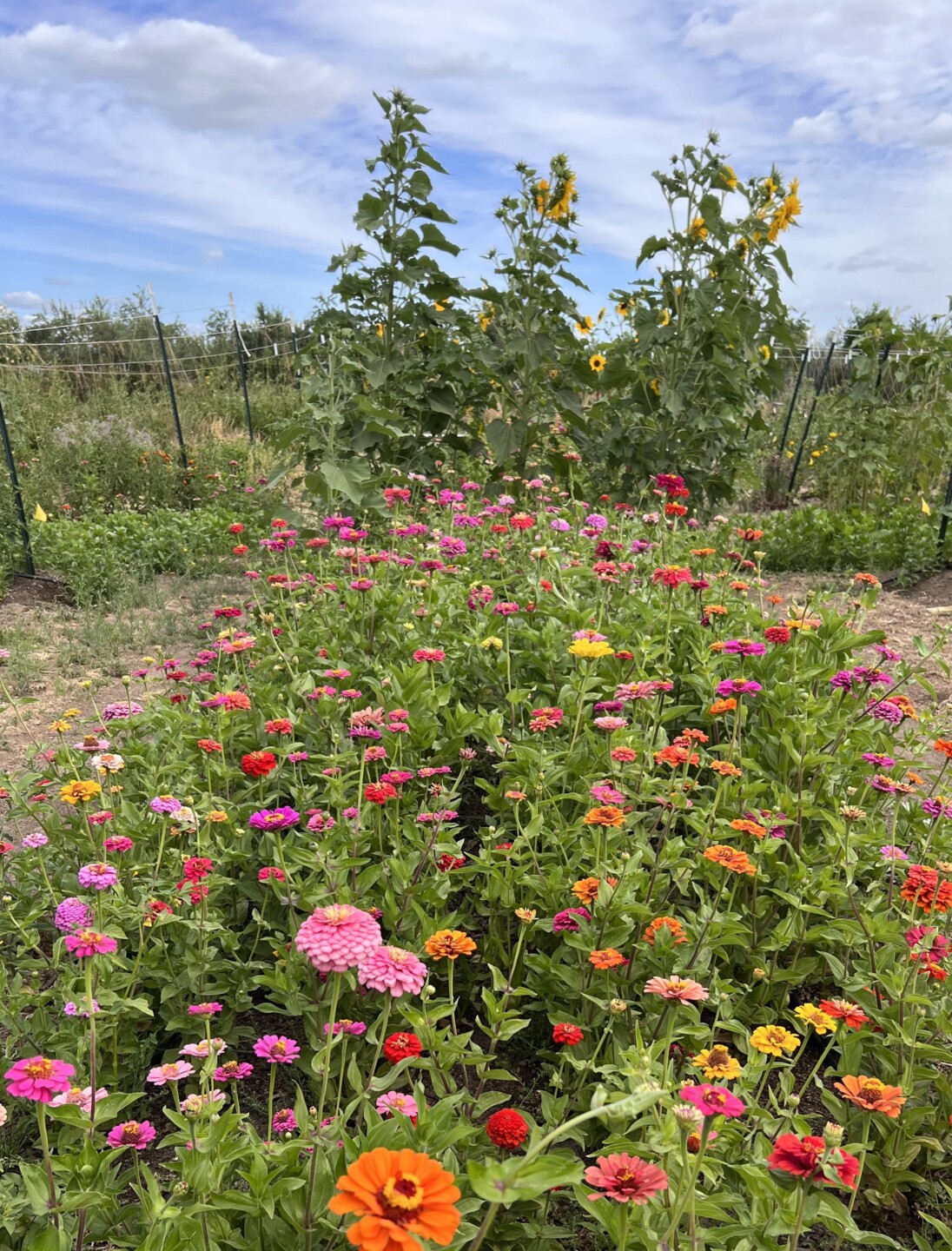
Diversity is the farm’s best defense. Along the west side, a buffer of native California oaks and understory plants—elderberry, desert willow, asters, and more—creates habitat for pollinators and predatory birds. These plantings double as an insectary, feeding beneficial species year-round and supporting the natural balance of the land. Hawks and owls control gophers, pollinators keep crops productive, and a variety of native blooms provide material for floral arrangements throughout the year. Goats and chickens graze, fertilize, and contribute to the diversity of life on the property.

Water
Water is managed with care. Efficient irrigation systems deliver only what crops require, and perennial plantings reduce the need for constant inputs. By layering crops in the fruit forest, shade is used to extend growing seasons and lower water demand during the hottest months. These methods allow us to grow intensively while conserving resources.

A Learning Landscape
Organic farming at Zinc House Farm is never static. With the help of volunteers and community members, new plantings and practices are continually tested. From insectary design to understory planting, each layer of the farm is shaped by observation and adaptation. The result is a landscape that is productive, resilient, and welcoming—for crops, wildlife, and people alike.