Tomahawk Steak on the BBQ
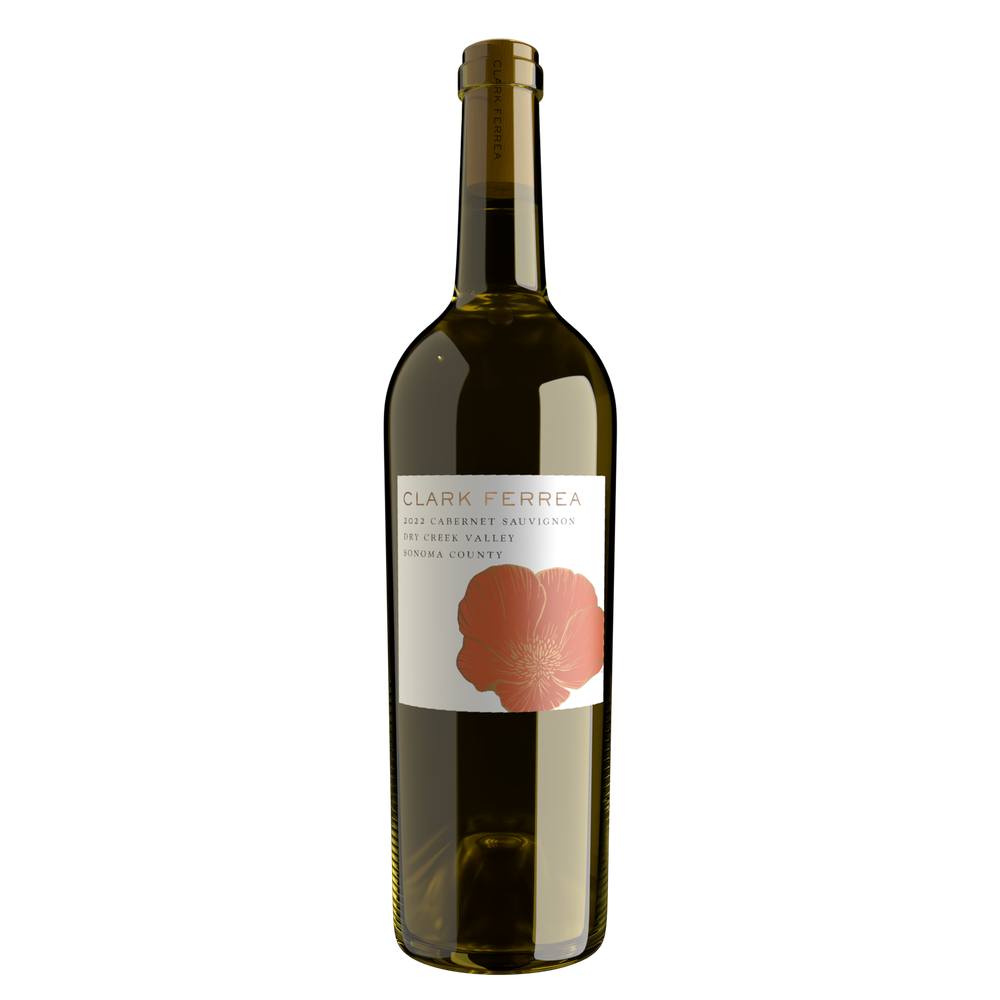
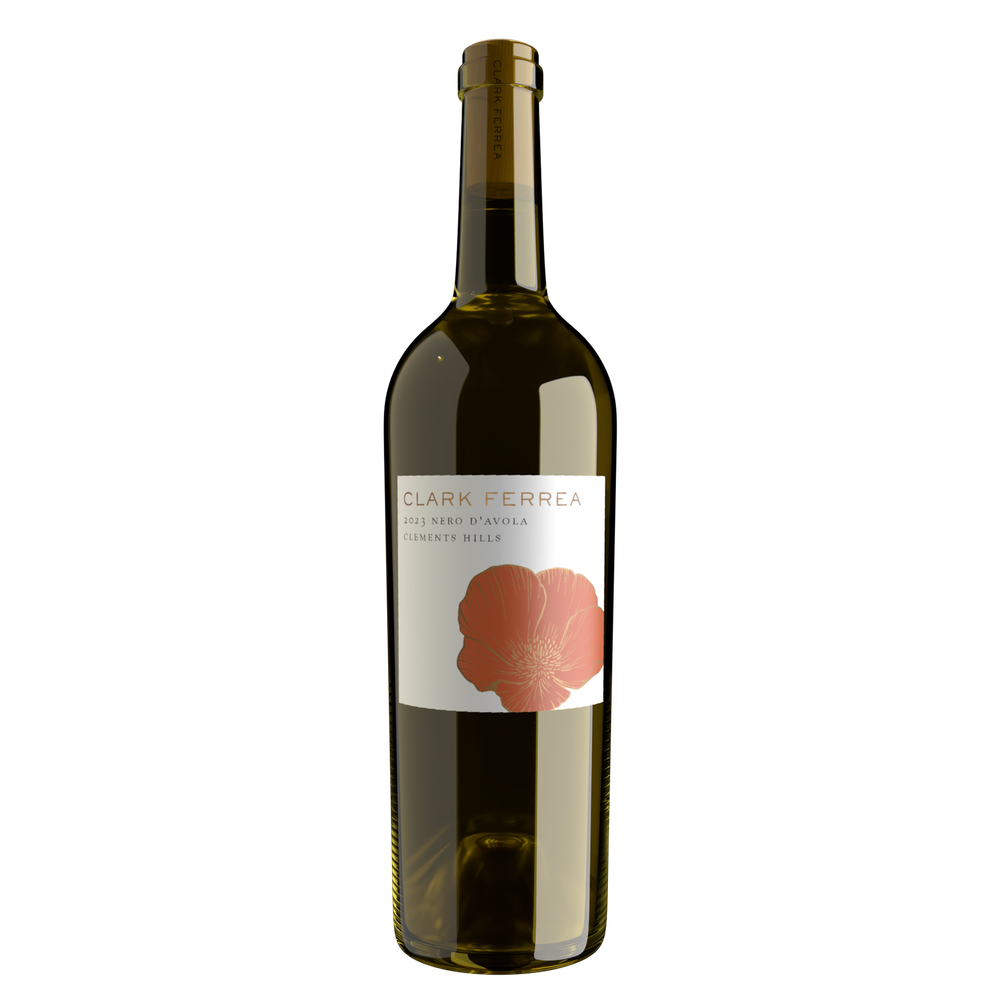
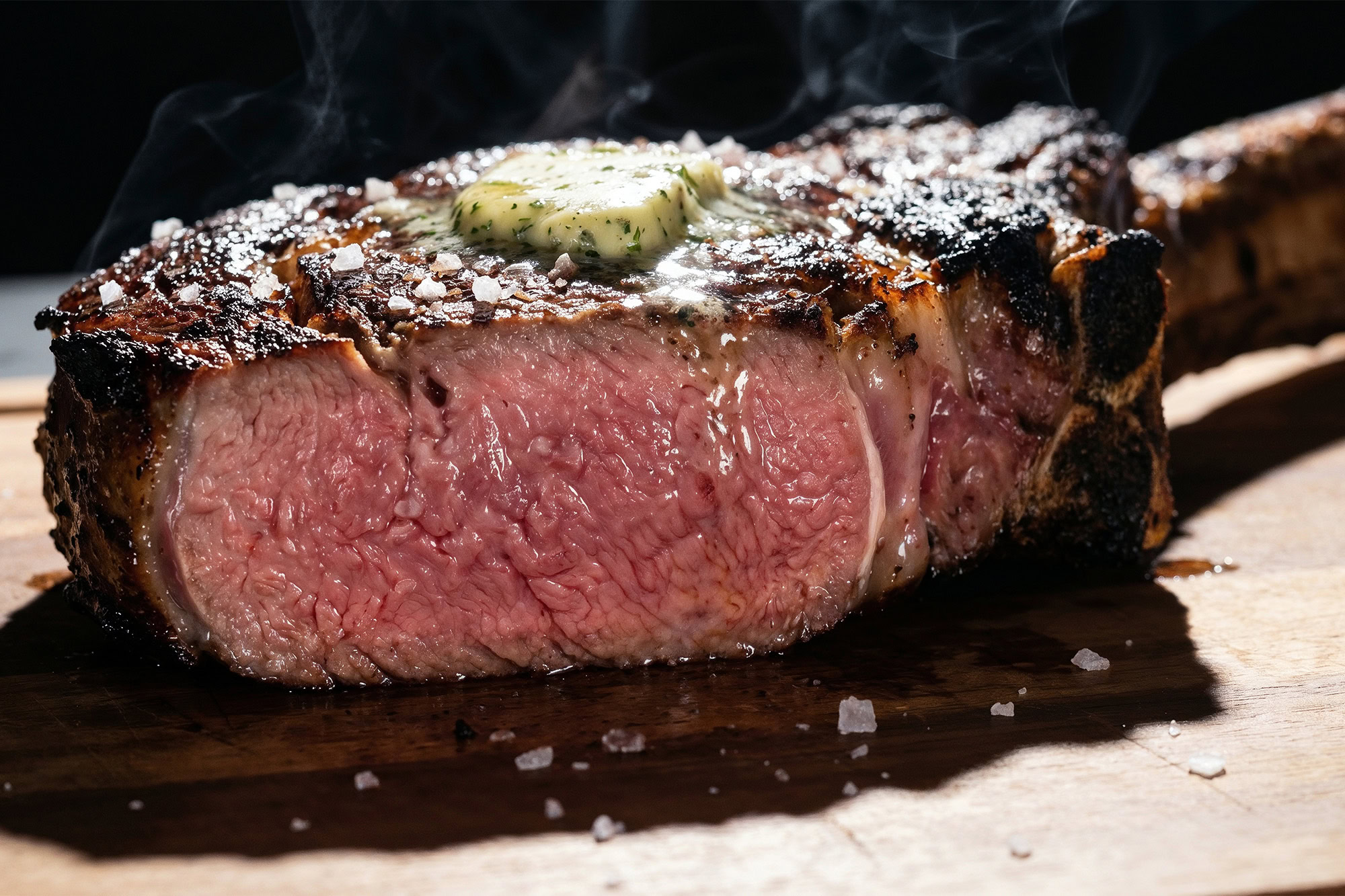
What’s better for date night, game night, or simply a Tuesday in need of some fanfare than a magnificent, long-boned ribeye? Here’s the version we default to time and again, because you just can’t go wrong with it. The tomahawk’s rich fat and bold, beefy flavor call for a full-bodied red. The Cabernet Sauvignon or our hearty Nero d’Avola pairs beautifully with the charred crust and buttery finish.
Get Recipes Delivered to Your Inbox.
Join our Recipe Series to receive monthly wine-paired recipes, exclusive next-day remixes, and downloadable recipe bundles.
Recipe Information
- Prep Time: 30 Minutes
- Cook Time: 75 Minutes
- Total Time: 105 Minutes
- Total Servings: 3
Ingredients
For the Steak
- 1 Tomahawk ribeye steak (approx. 2.5–3 lb, about 2 inches thick)
Seasoning
- 2 tsp Kosher salt
- 1 tsp Coarse black pepper
- 1 tsp Garlic powder
Garlic Herb Butter (to finish)
- 4 tbsp Salted butter (softened)
- 3 Garlic cloves (minced)
- 1 tbsp Fresh rosemary (finely chopped)
- 1 tbsp Fresh thyme (finely chopped)
- 1 pinch Flaky sea salt
Directions
Before You Cook
Season early: pat the steak dry with paper towels, then season generously on all sides with the salt, pepper, and garlic powder. For best results, do this the night before and leave the steak uncovered on a rack in the refrigerator — the dry brine deepens flavor and helps form a better crust. At minimum, season at least one hour before cooking.
Bring to room temperature: pull the steak from the refrigerator 1 to 2 hours before you plan to cook it.
Make the compound butter: mash together the softened butter, garlic, rosemary, and thyme. Roll it into a log using plastic wrap and refrigerate until firm.
Set Up Your Grill
The reverse-sear method uses two-zone heat — a low, indirect zone for the slow cook and a ripping-hot direct zone for the final sear.
Charcoal grill: light a full chimney of charcoal and pour all the coals to one side of the grill. The cool side is your indirect zone.
Gas grill: preheat on high for 15 minutes, then turn off all burners except one on the far side. That lit burner is your sear zone; the unlit side is for slow cooking.
Target temperature on the indirect side: 225°F.
Cook the Steak
Phase 1 — Low & Slow (45 to 60 minutes): place the steak on the indirect, cool side of the grill. Insert a meat probe thermometer into the thickest part of the steak, away from the bone.
Close the lid and cook low and slow, undisturbed, until the internal temperature hits 115°F for medium-rare (or 105–110°F for rare). This typically takes 45 to 60 minutes depending on your grill. Pro tip: wrap the long bone in foil to keep it from scorching.
Phase 2 — The Sear (4 to 6 minutes): once the steak hits your target temp, remove it and crank the grill to high heat — you want the grates at 500°F or hotter.
Sear the steak directly over the hottest part of the grill for about 1 to 2 minutes per side, flipping once to develop deep char marks on both sides. Flare-ups are fine — they add flavor, and the steak won’t burn in this short time.
Tilt the steak up on its edge and sear the fat cap for about 1 minute until crispy. Pull the steak when it reaches your final desired internal temperature.
Rest & Finish
Transfer the steak to a cutting board and let it rest for 10 to 15 minutes — this is non-negotiable, as it allows the juices to redistribute throughout the meat.
Slice a few rounds of the compound butter and lay them on top of the steak right after it comes off the grill, so they melt beautifully into the crust.
To Serve
Slice the meat away from the bone first, then cut against the grain into 1/2-inch-thick strips. Arrange on a board with the bone for a dramatic presentation. A sprinkle of flaky sea salt right before serving elevates every bite.
Chef’s Tips
Don’t skip the thermometer — this is the single most important tool for nailing a tomahawk every time.
Ribeyes are fatty and prone to flare-ups; never walk away from the grill during the sear phase.
The steak will continue to rise about 5°F after you pull it off the grill (carryover cooking), so always pull slightly before your target temp.